
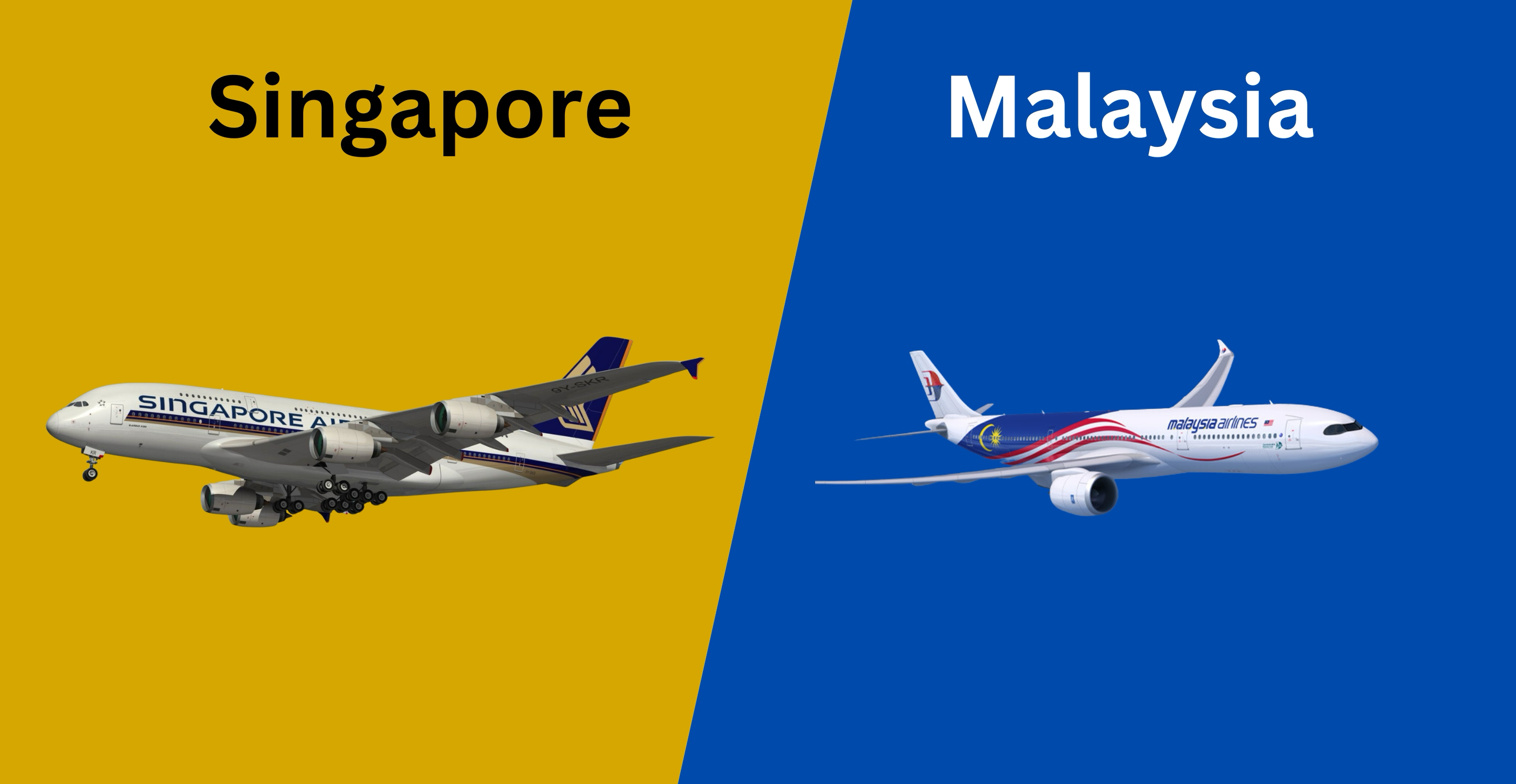
Yes, Singapore cards have better earn rates, but Malaysia’s miles game is far from hopeless
Peter used to think Malaysia’s miles game sucked. Being a Malaysian based in Singapore, life is good as a miles chaser, and he never even considered the miles game across the causeway.
Who wants Enrich anyway? The constantly devalued points currency from the financially struggling Malaysia Airlines? And those credit card earn rates? Yikes. But then, after a deep dive and talking with some savvy Malaysian miles chasers, he discovered there’s more to the story.
It turns out, Malaysia’s miles game isn’t as bleak as it seems. In fact, it’s still viable and even has unique advantages over Singapore in certain areas. Read on to learn more.
The Metrics
In this post, we’ll use card earn rates in MPD (Miles Per Singapore Dollar) and MPR (Miles Per Ringgit), along with Singapore Dollars (SGD) and Malaysian Ringgit (RM) for cost of miles in Cents Per Mile (CPM). For simplicity, we’ll use a fixed exchange rate of SGD 1 = RM 3.30 throughout this analysis.
Entry Level Cards Income Requirement
In BolehMiles’ maiden post, “How Viable is the Malaysia Miles Game?“, we said that while the Malaysian miles game is more challenging compared to other countries, it remains a viable option across various income levels, with the lowest income requirement of RM2,000 per month, although the miles earn rate is less competitive (for example, 1.75MPD / 0.53 MPR for Alliance Bank Platinum).
Singapore’s entry-level miles cards typically require a monthly income of SGD 2,500 (approximately RM 8,250), with many cards offering “4 MPD everywhere” (1.21 MPR).
In short, Malaysia has a low barrier to entry for miles card, but the earn rates fall short, while Singapore’s entry-level cards deliver better earn rates.
Miles Earning Rates
First, let’s break down the miles earning rates across Local Categorised Spend, Overseas Spend, and All-Rounder Spend, similar to the categories in the Best Miles Cards in Malaysia 2025 post.
Local Categorised Spend
Singapore Cards
Here are some of the best miles earning cards in Singapore.
| Card | Category | Earn Rate (MPD/ MPR) |
Monthly Cap (SGD/ RM) |
|---|---|---|---|
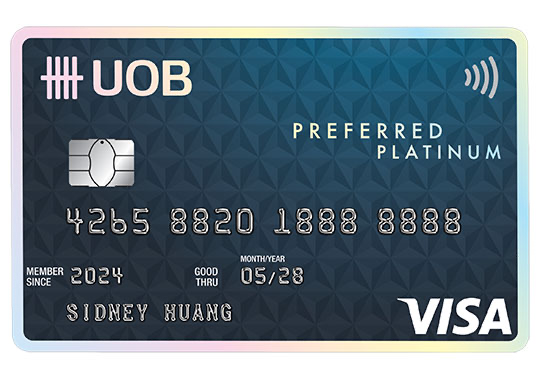 UOB Preferred Platinum Visa |
Contactless | 4.00/ 1.21 |
1100/ 3630 |
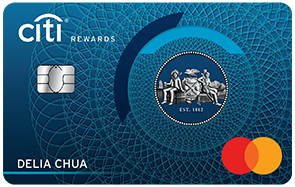 Citi Rewards Master |
Online | 4.00/ 1.21 |
1000/ 3300 |
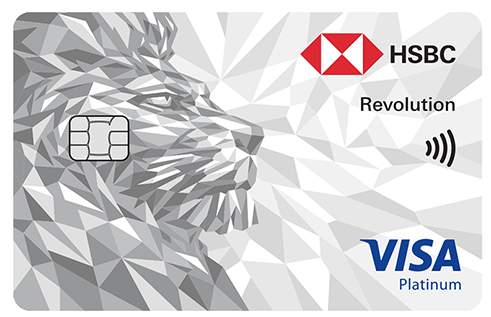 HSBC Revo |
Online | 4.00/ 1.21 |
1000/ 3300 |
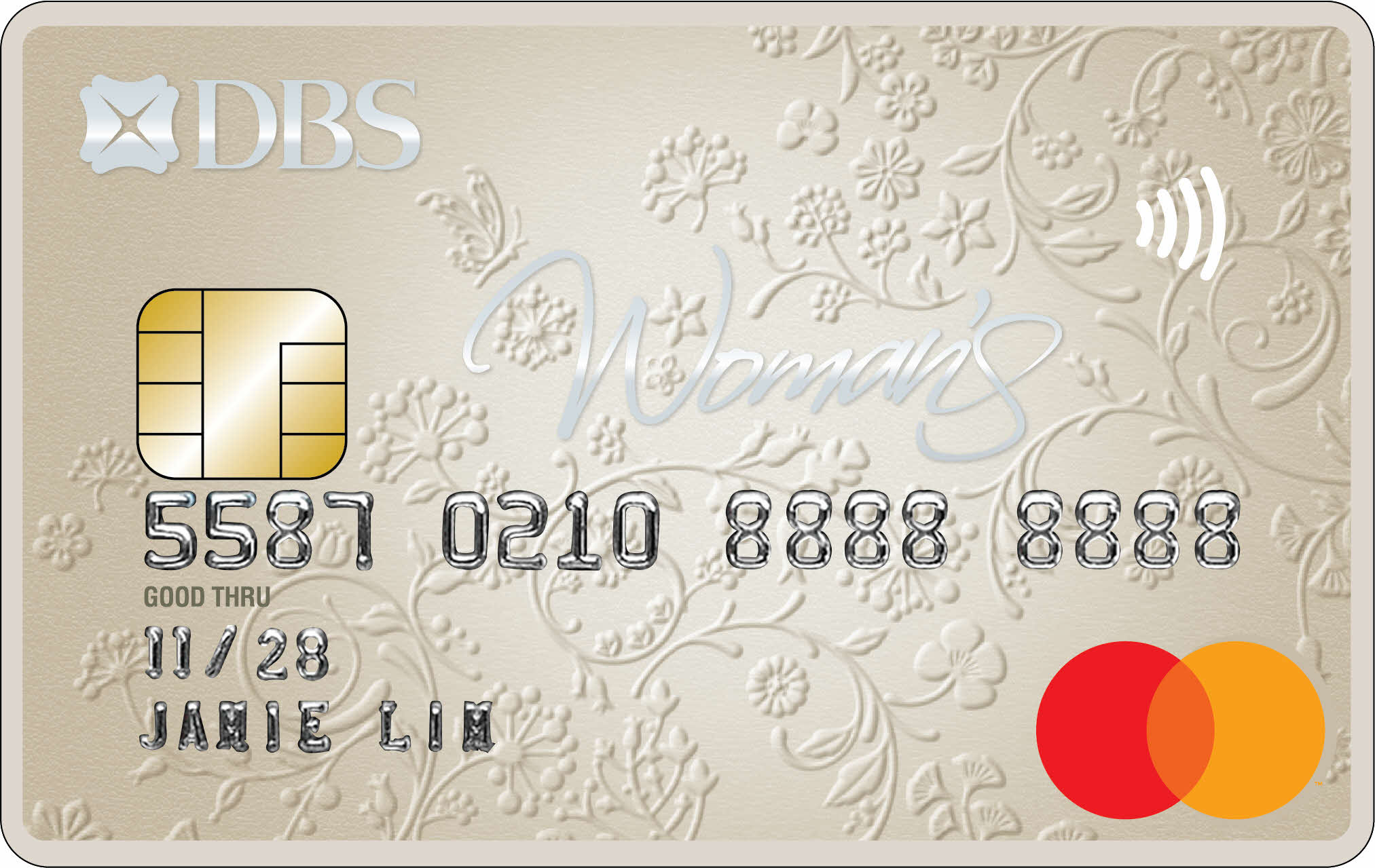 DBS Woman’s World Master |
Online | 4.00/ 1.21 |
1500/ 4950 |
 UOB Lady’s Solitaire |
2 categories of choice |
4.00/ 1.21 |
2000/ 6600 |
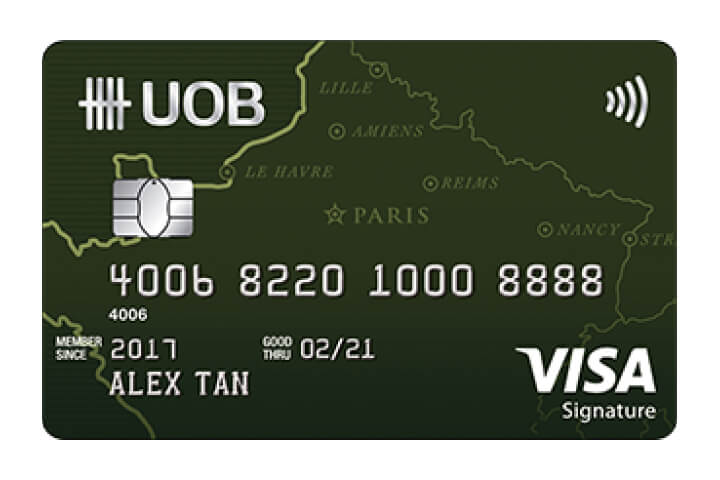 UOB Visa Signature |
Contactless/ Overseas |
4.00/ 1.21 |
2000/ 6600 |
 OCBC Rewards |
Online/Offiline Shopping |
4.00/ 1.21 |
1000/ 3300 |
These are Singapore’s “baseline” miles card offering 4MPD / 1.21 MPR for almost everything. The spend categories are very broad, covering online, contactless, and shopping, though all come with spending caps.
Maximising the caps across the listed cards above would be a total spend of SGD 9,600 (RM 31,680) monthly, yielding 38,400 miles.
Note that this not the complete list, and we have excluded good cards like the DBS Yuu (10MPD / 3.03MPR) promotional rate, the uncapped UOB Krisflyer (3MPD / 0.90 MPR) for online spend, or the Citi Rewards Visa (4MPD / 1.21 MPR) which is no longer marketed. We’ve also excluded advanced strategies, such as pairing the UOB Lady’s Savings Account for extra miles or the OCBC Rewards-HeyMax 6 MPD combo.

It’s relatively easy to earn miles in Singapore. Let’s say an average dude spends SGD 5,000 monthly across these cards. He’d rack up around 20,000 miles a month. In a year, that’s 240,000 KrisFlyer Miles, enough for a Business Class return ticket to America. He flex it on Instagram of course, impress the chio-bu’s, and bask in the sweet validation that he has made it in life. Easy peasy… thank you, Milelion!
Malaysia Cards
Here are Malaysia’s best local spend cards as mentioned in our recent Best Miles Cards in Malaysia 2025 post.
| Card | Category | Earn Rate (MPD/ MPR) |
Monthly Cap (SGD / RM) |
|---|---|---|---|
 Public Bank Visa Signature Read Review |
Green Spends (Examples: Pharmacy Public Transport Education EV Charging Gym) |
3.3/ 1.0 |
No Cap |
 Alliance Bank Visa Platinum |
E-wallet Online |
1.75/ 0.53 |
SGD 1,818/ RM 6,000 |
 CIMB e-Card |
Contactless Online |
3.17/ 0.96 |
SGD 505/ RM 1,667* |
 SCB Journey |
Dining | 1.65/ 0.5 |
No Cap |
 Maybank Krisflyer Amex Platinum |
Online | 1.65/ 0.5 |
No Cap |
 UOB World Read Review |
E-wallet | 2.05/ 0.62 |
SGD 272/ RM900^ |
^Limit across 3 e-wallets
Let’s put this into perspective. There’s a mix of capped and uncapped cards. If the capped cards are maxed out with RM8567 / SGD2600 spending, we are looking at 5300 miles or 63,600 miles a year. After that, we turn to uncapped cards with narrow categories like Dining, Green Spends, and Online Shopping (AMEX).

Now, let’s consider a regular, single Malaysian guy with spending of RM 12,000 per month (or SGD3600). His miles journey isn’t as straightforward as the Singaporean dude. First, he spends RM8,000 monthly on Alliance Card, CIMB e-Card, and UOB World. He also spends RM4,000 on restaurants. For his effort, he earns 6000 miles a month or 72,000 miles a year.
At the end of the year, he redeems a Business Class (J) flight to Tokyo on MH for 50,000 Enrich miles and flies back in Economy (Y) for 19,600 Enrich miles. Dissatisfied, he visits BolehMiles Telegram channel to sharpen his miles game.
Overseas Spend
Singapore Cards
| Card | Earn Rate (MPD/MPR) |
FCY Cost | CPM (SGD/RM) |
|---|---|---|---|
|
UOB Visa Signature |
4.00 / 1.21 Cap SGD2000 |
3.25% | 0.81/ 2.67 |
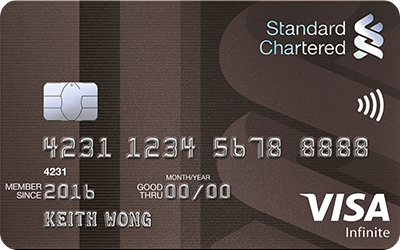 SCB Visa Infinite |
3.00 / 0.91 | 3.50% | 1.17/ 3.86 |
 UOB PRIV Miles |
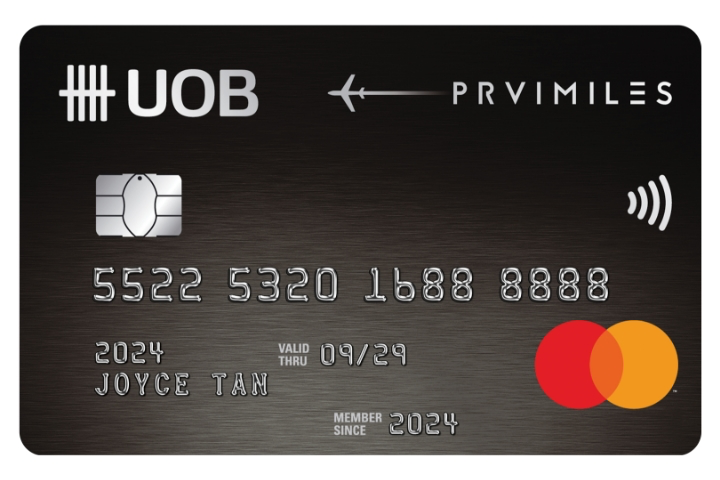
2.40 / 0.73 | 3.25% | 1.35/ 4.46 |
 Maybank World Master |
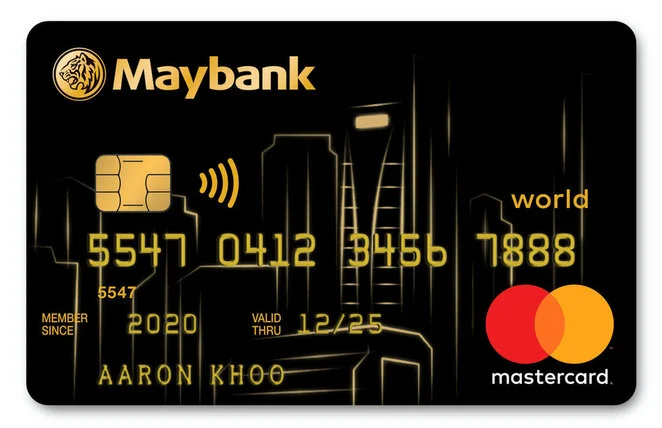
3.20 / 0.80 | 3.25% | 1.02/ 3.35 |
The miles earning rates for the cards listed ranges from 2.4MPD to 4MPD or 0.73MPR to 1.21MPR. However, for Overseas spending, looking at the miles earning rates alone does not give the full picture, we have to take into account the FCY cost as well.
Singapore FCY fee ranges from 3.25% – 4.00%, therefore the cost of acquiring miles through overseas spend is from SGD 0.81 CPM to 1.35CPM or RM 2.67 CPM to 4.46 CPM.
Note that most of the Singapore local spending cards can also be spent overseas with the same 4MPD local spend cards listed above, provided they are in the right category.
Malaysia Cards
| Card | Earn Rate (MPD/MPR) |
FCY Cost | CPM (SGD/RM) |
|---|---|---|---|
 UOB Priv Miles Elite Apply |
2.75 / 0.83 | 2.25% | 0.82 / 2.71 |
 Ambank Enrich Visa Infinite |
3.30 / 1.00 | 1.25% | 0.38 / 1.25 |
 CIMB Travel World Elite |
2.20 / 0.67 | 1.25% | 0.57 / 1.87 |
 UOB Visa Infinite Metal |
6.60 / 2.00 | 2.25% | 0.34 / 1.13 |
The miles earning rates for these Malaysia cards ranges from 2.2MPD to 6.6 MPD or 0.67 MPR to 2.00 MPR. Note that the UOB Visa Infinite card that we are referring to here is the Metal version with 2 MPR, not the normal version.
We have not mentioned UOB Visa Infinite Metal on this site, because it’s an invitation-only card. The only reason we are including it here is to make our Singaporean friends say “wah…”. Yup, uncapped 6.6 MPD overseas spend, Malaysia Boleh!
Now, there are some nuances to the FCY Cost for Malaysia cards, because actual transaction data shows that the FCY fee can sometimes differ from the advertised FX Fee. We will address this nuance in another post, but for now, the FCY Cost figures used here are the approximate FX cost based on real world data using Mastercard/Visa rates.
With FCY Cost included, the CPM cost ranges from SGD 0.34 to 0.82 CPM or RM 1.13 to 2.71 CPM. That’s a much lower cost relative to Singapore’s cards, so Malaysia cards have an advantage here.
All Rounder Spend
Singapore Cards
| Card | Earn Rate (MPD/MPR) |
|---|---|
|
UOB PRIV Miles |
1.40 / 0.42 |
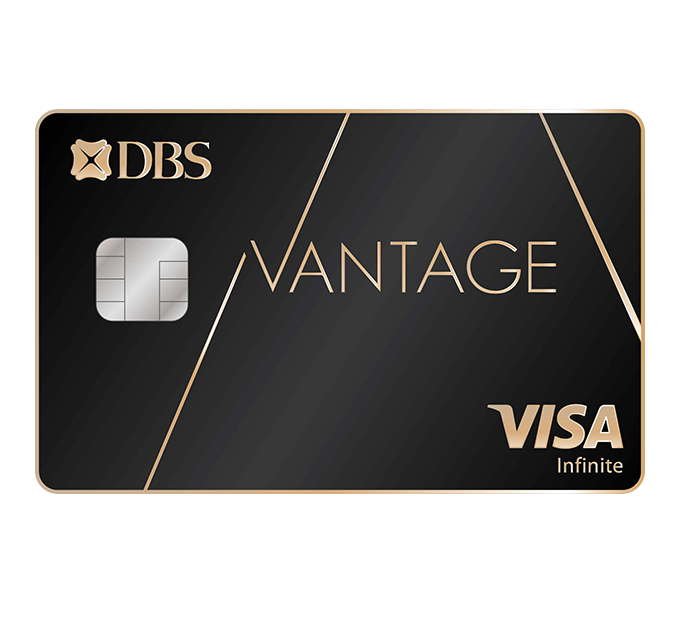 DBS Vantage |
1.50 / 0.45 |
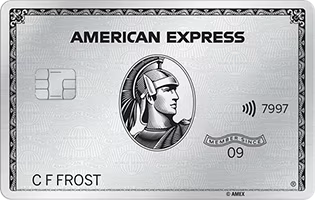 Platinum Charge Card |
0.78 / 0.24 |
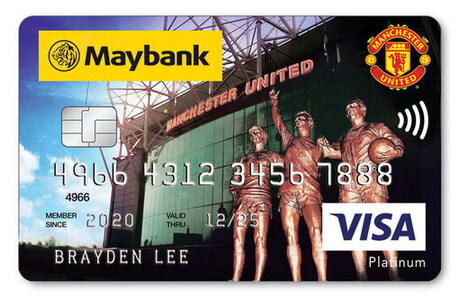 Maybank Manchester United Visa |
2.00 / 0.60 [MU Win Day] |
These are also commonly referred to as General Spending cards. They have no caps or spend categories to track (exclusions apply), but their earn rates are typically lower. These cards are often used when higher-earning options, like 4 MPD / 1.21 MPR cards cap have been maxed out or for covering large expenses such as rent through platforms like Singapore’s CardUp (similar to EveryPay in Malaysia).
Malaysia Cards
| Card | MPD / MPR |
|---|---|
 Maybank Platinum Charge Card |
2.34 / 0.71 |
 Maybank Manchester United VI |
1.65 / 0.50 [MU Win Day] |
|
AmBank Enrich Visa Infinite |
0.82 / 0.25 |
If there’s one category that’s sorely lacking among Malaysian cards, it’s an all-rounder spend card. Beyond the Maybank Platinum Charge Card and the Maybank Manchester United Visa, there aren’t many compelling options.
When it comes to general spending or all-rounder cards, Singapore clearly has better earning rates.
However, Malaysia does have an advantage with its version of Platinum Charge Card, offering much better earn rate compared to its Singapore counterpart. It’s worth noting that the Singapore version isn’t widely used for spending anyway, because people use it for its perks.
Our take on Miles Earning Rates on Both Sides
If we consider the totality of Local Spend, Overseas Spend, and All-rounder cards, Malaysia does have advantage in Overseas Spend but clearly lags behind in Local Spend and All-rounder cards (except for AMEX).
There’s no clear explanation for why earn rates differ that much between the two countries, but we’re not here to debate the economics behind it. This is a miles blog, not an economics class.
But let’s break it down with some bro math: Malaysians have always had to work 3.3 times harder than Singaporeans for the same iPhone. Does that mean we give up? Absolutely not.
It’s tougher here, sure, but we hustle smarter and stretch every ringgit. We run a sharper miles game, maybe buy miles strategically from platforms like points.com, and make every big expense count (through EveryPay/Cardup).
Sure, we may need to spend more and take longer to accumulate miles, and it’s especially challenging for sole breadwinners supporting a family. But that doesn’t mean the game here is hopeless or unviable.
Airline Transfer Partners
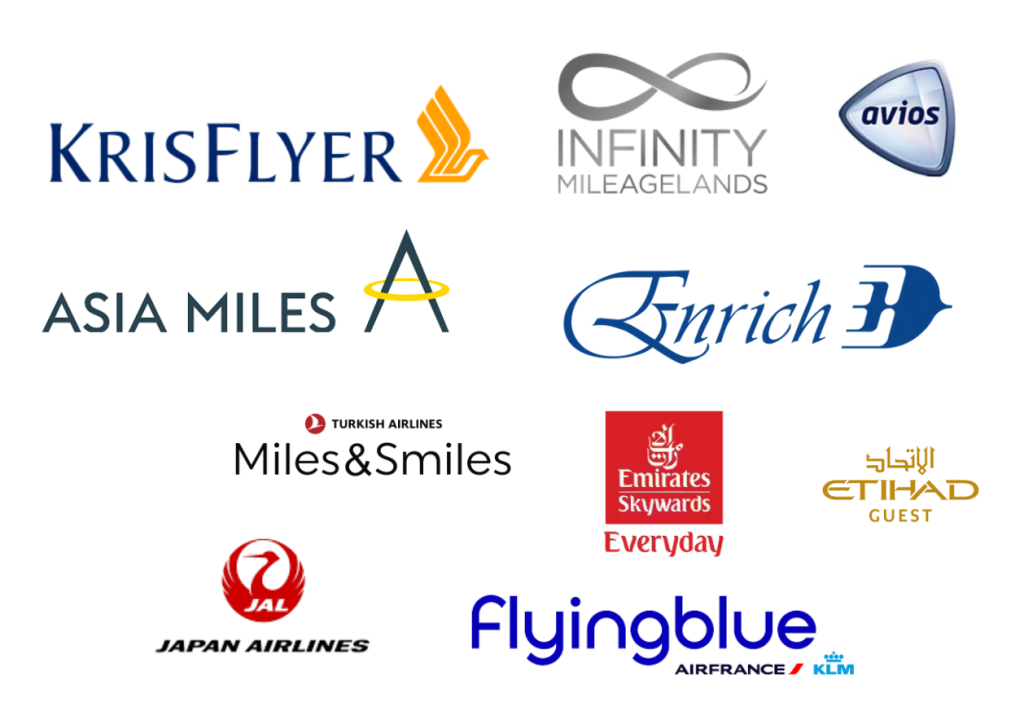
In general, both Singapore and Malaysia cards have access to almost the same number of airline transfer partners. But let’s bring in our favourite BolehMiles Nutrition Chart to illustrate the difference:

Both Singapore and Malaysia have good access to Meat Miles. However, Singapore enjoys better access to Seafood Miles, thanks to Citibank, HSBC, and Amex, while Malaysia can only access them through CIMB and Every (a fintech company).
The key difference lies in Enrich. While Singaporean miles chasers can technically earn Enrich miles via Maybank and Amex, it rarely makes sense for them—it’s like trading Meat for Carbs.
For Malaysians, we have natural access to Enrich miles (Carbs), offering a more balanced “diet,” so to speak. While Enrich has been devalued significantly over the years to the point where it’s not attractive to most outside Malaysia, it still holds value for us locally.
Enrich can be great for domestic flights (see Enrich redemption chart here), starting as low as 2,100 Enrich for Economy (e.g. KL to Alor Setar). It also shines with its business class sweet spots, like London for 100,000 Enrich or Tokyo for 50,000 (sometimes even less during discounts).
Miles Conversion Fees
You might not have heard of this because there is no such thing Malaysia. However, for Singapore credit cards, it is a thing. There’s a conversion fee of SGD 20–30 every time bank bonus points is converted to Miles. That’s right—it’s like paying for a full hour of foot massage in Malaysia!
Conclusion
To sum it up, while the miles game is more challenging in Malaysia compared to Singapore, it’s far from impossible. Singapore cards may have better earning rates overall, but our overseas spend cards are relatively better, offering good value for frequent travelers. Malaysians still have the tools to make the most of their spending, not to mention Carbs to keep us feeling full.
So let’s not compare. Each market has its own quirks and advantages. It’s about counting our blessings, hustling smarter, and finding joy in the journey.
Until next time.
How about indonesian cards?